Cathedral of the Nativity of the Blessed Virgin Mary
The Orthodox Cathedral of the Nativity of the Blessed Virgin Mary is located in the building of the former Carmelite Church and is an architectural monument.
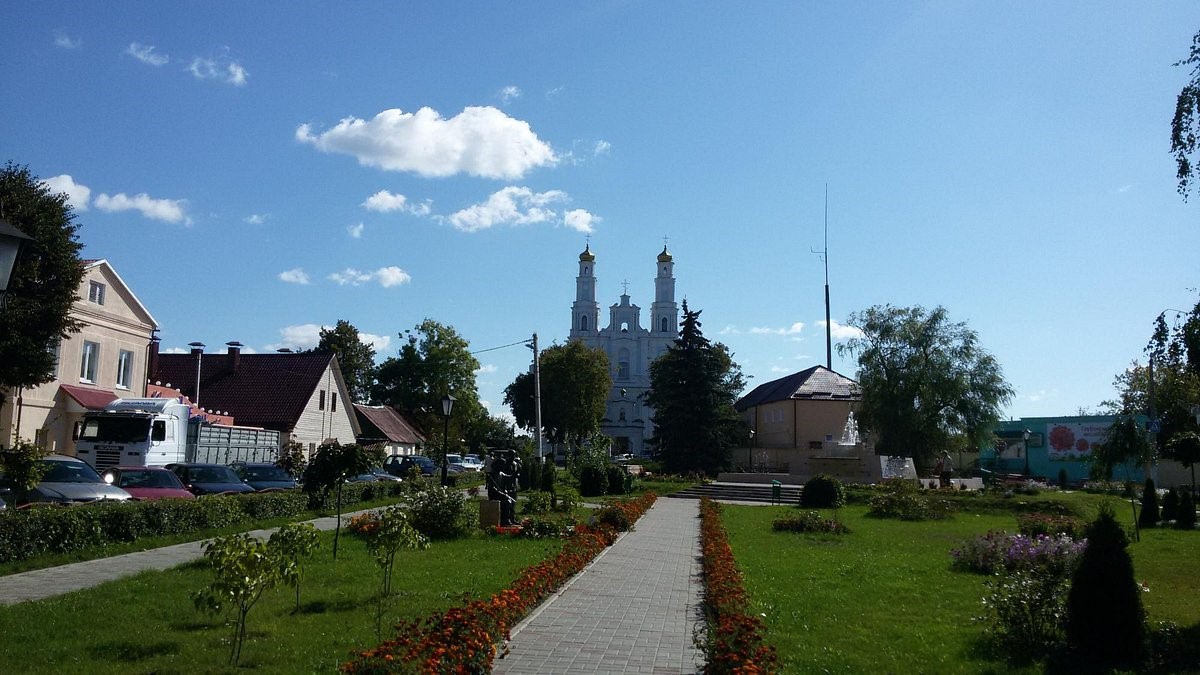
The stone church of the Carmelites was erected in Glubokoye in 1639-1654 at the expense of the Mstislav governor Joseph Korsak, who was buried in the crypt of the temple. In 1735, the church was rebuilt according to the design of the famous architect Jan Christopher Glaubitz and became the first example of the architecture of the "Vilna" baroque in Belarus.
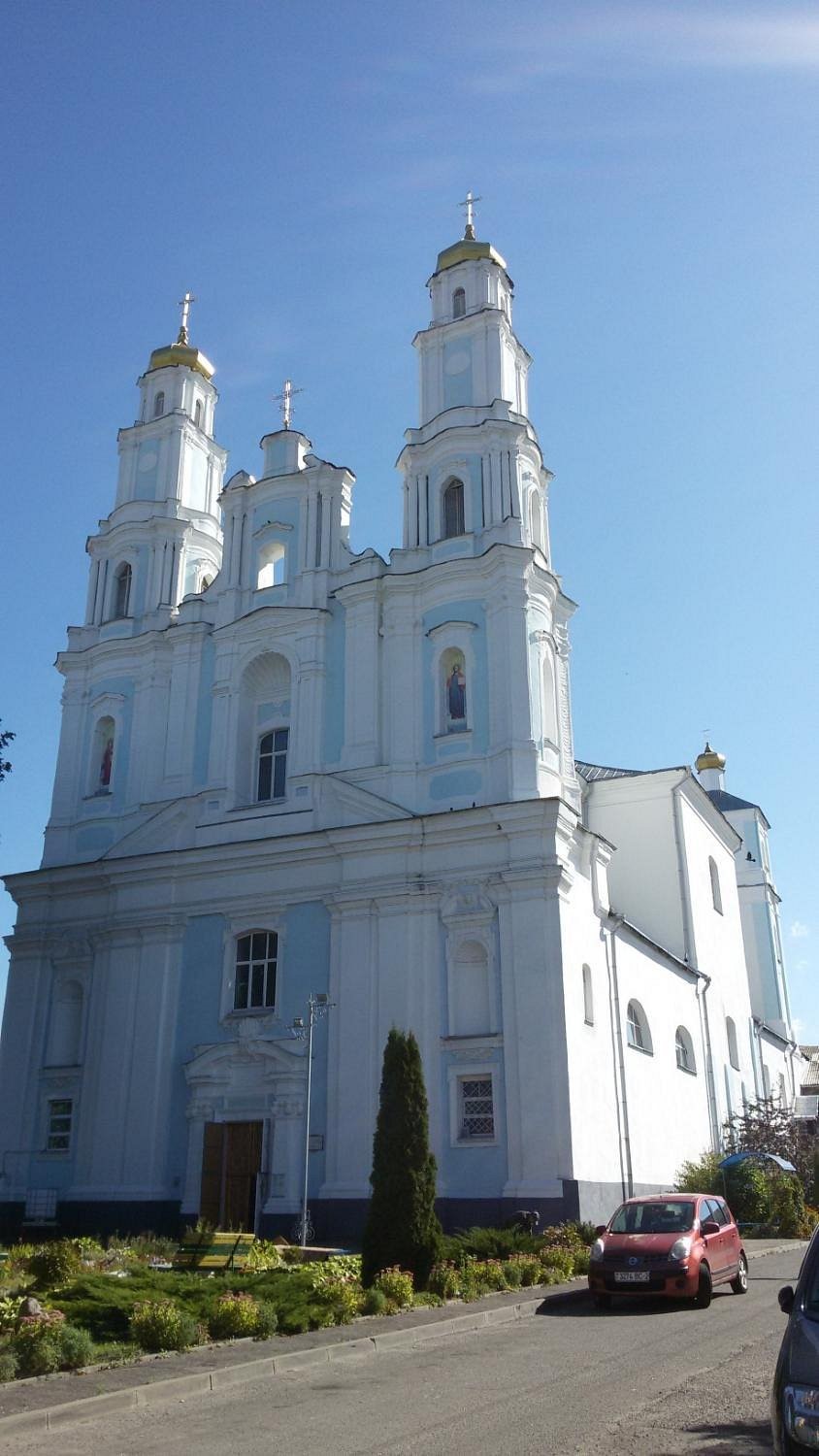
In 1865, after the expulsion of the Carmelites, the monastery was transferred to the jurisdiction of the Chamber of State Property. In 1875, the church, after a slight restructuring, was re-consecrated into the Orthodox Church of the Nativity of the Blessed Virgin Mary. In 1895, a large wooden dome was erected over the crossroads of the temple, which burned down in 1944 and was never restored.
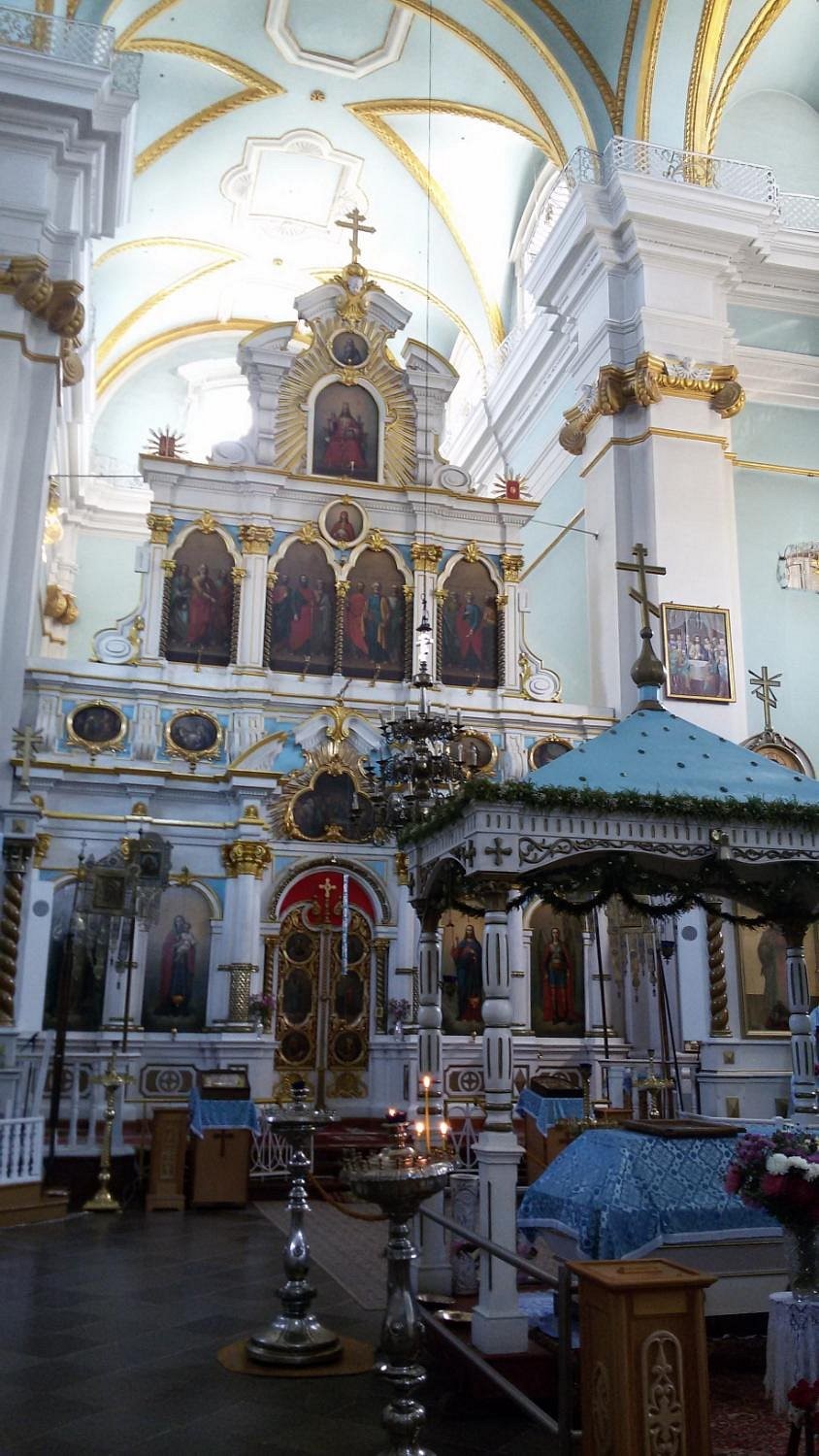
During World War II, the church building was partially damaged by fire. After the war, the building of the monastery adjacent to the temple was used as a butter factory, later - a zonal archive, and the dungeons of the church - as a warehouse for the Glubokoe cannery.
In 1970, Archbishop Anthony of Minsk and Belarus held the first divine service in the church. Today, the parish of the Glubokoye Cathedral is the most numerous in the Polotsk diocese. The church has a Sunday school for children and adults, an Orthodox library, and a professional choir.